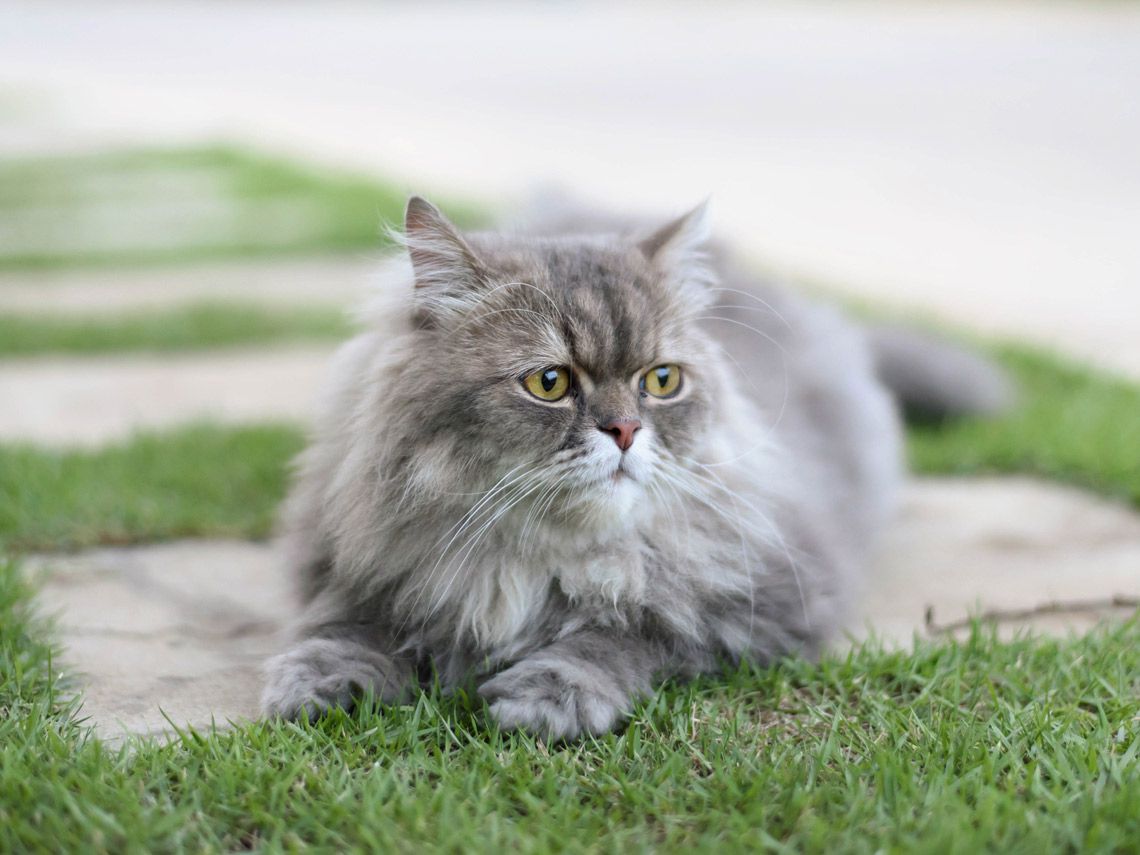
Persian
Origin: Iran
The Persian is the glamor puss of the cat world. His beautiful, flowing coat, sweet face and calm
personality have combined to make him the most popular cat breed.
He is high maintenance and he
has some health issues, but for many his looks and personality overcome those drawbacks.
Temperament and personality:
- gentle
- quiet
- docile nature
Read
more
Persians take their name from the country where they are
thought to have
originated. They became popular pets in animal-mad Victorian Britain and were seen at the very first
cat shows in
that country. Persians have always been bred to have a round head, short face, snub nose, chubby
cheeks and a short,
cobby body, but over time those features have become exaggerated. The result is that the Persian now
comes in two
types, show and traditional. Traditional Persians do not have as short a face as show Persians and
look more like the earlier examples of the breed, but both have the same sweet personality. Today
the Persian is the most popular cat registered by the Cat Fanciers Association.
British Shorthair
Origin: United Kingdom
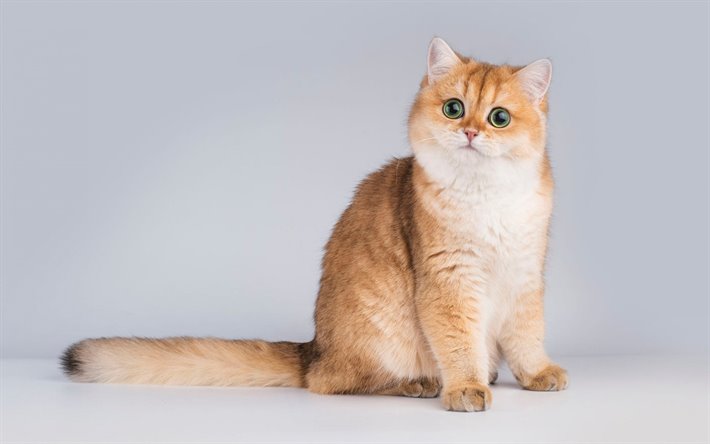
The British Shorthair is solid and muscular with an easygoing personality. As befits his British
heritage, he is slightly reserved, but once he gets to know someone he’s quite affectionate.
His short, dense coat comes in many colors and patterns and should be brushed two or three times
a week to remove dead hair.
Temperament and personality:
Read more
When the Romans invaded Britain, they brought cats with them to
help protect their food supplies from rodents along the way. The Romans eventually left, but the
cats remained behind, conquering a country with only their charm. When the breeding of pedigreed
cats became a fad in Victorian England, the British Shorthair (known simply as the Shorthair
in Britain) was one of the first varieties to be developed. The Longhair came about when breeders
made crosses to Persians during World War I. As with so many breeds, British Shorthairs almost died
out during World War II, victims of food shortages that left breeders unable to feed their cats.
After the war, the breed was revived with crosses to domestic shorthairs, Russian Blues,
Persians and other cats. The American Cat Association recognized the British Blue in 1967,
The International Cat Association in 1979 and the Cat Fanciers Association in 1980. In 2009,
TICA recognized the British Longhair as a variety, the only cat association to do so.
Ragdoll
Origin: California
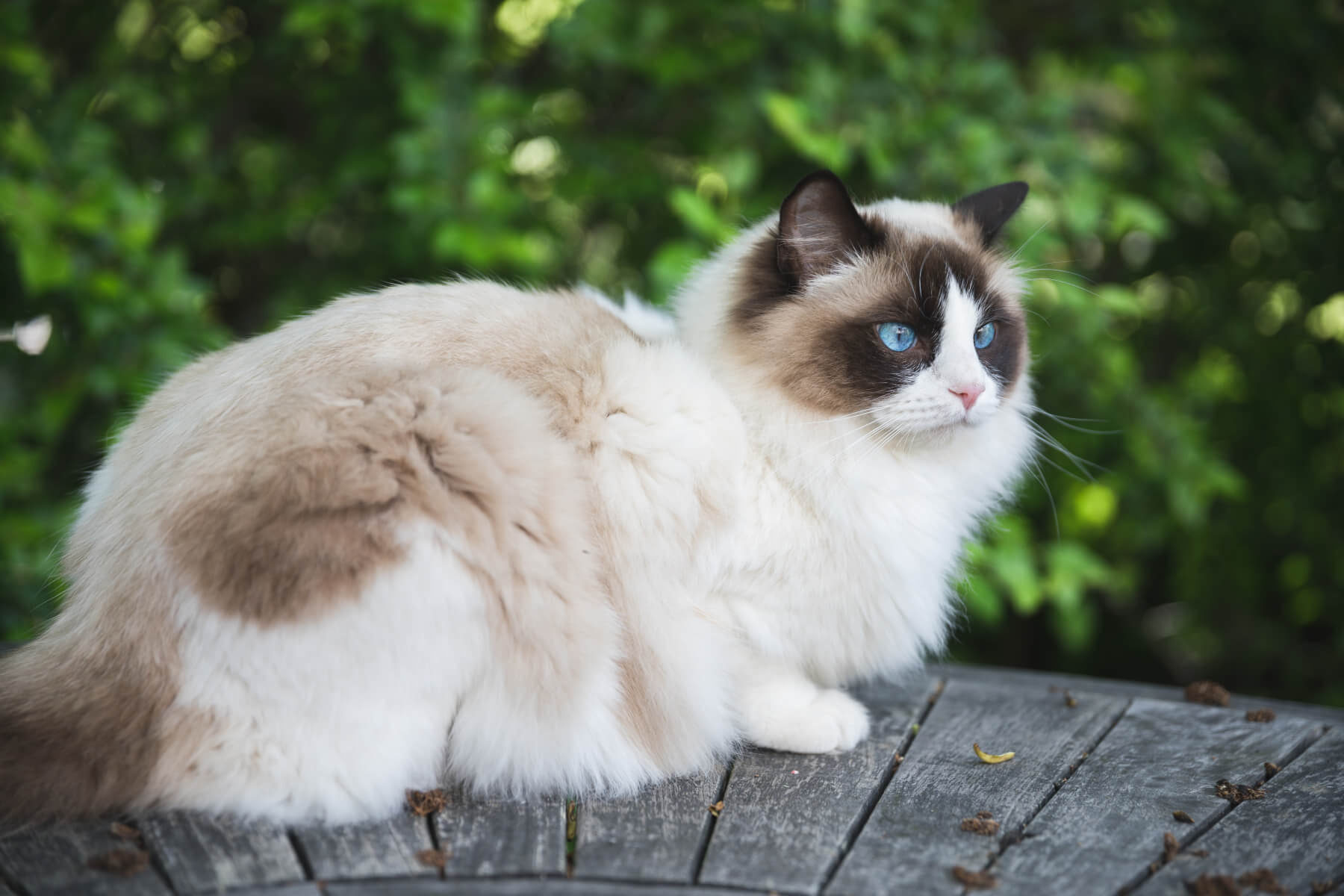
Ragdolls are large, lovable cats who are incredibly patient and gentle. Despite their imposing size,
these cats are a calm and quiet breed who love nothing more than playing and cuddling with their pet
parents.
This breed is typically easy to care for and incredibly social. They make great family
pets and get along well with children.
Temperament and personality:
Read more
Ragdolls were developed in the 1960’s by Ann Baker; a breeder
in Riverside California. The origin of the Ragdoll breed consisted almost entirely of free-roaming
cats. Ann bred Josephine, a domestic longhaired white female that was found running loose in
her neighborhood, to other cats she owned or found. The offspring of this female had unique
temperament traits that were very endearing. By selecting individuals with the look, temperament
and criteria she wanted for her breeding program, she created the Ragdoll
breed.
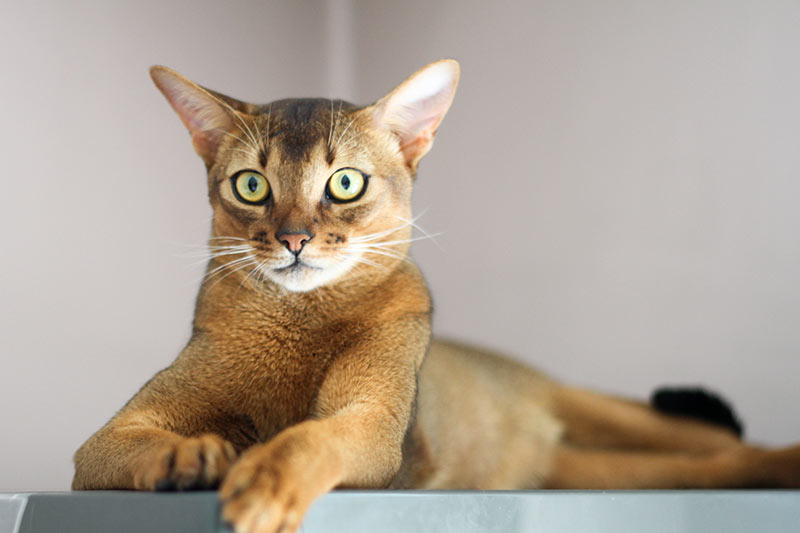
Abyssinian
Origin: Ethiopia
Abyssinians are highly intelligent and intensely inquisitive. They love to investigate and will leave no
nook or cranny unexplored. They’re sometimes referred to as “Aby-grabbys” because they tend to take
things that grab the interest.
The playful Aby loves to jump and climb. Keep a variety of toys on
hand to keep her occupied, including puzzle toys that challenge her intelligence.
Temperament and personality:
- loving
- affectionate
- curious
Read more
Many believe Abyssinians were given their name because Zula,
the cat displayed at the 1871 Crystal Palace Cat Show, was allegedly imported from Abyssinia,
present-day Ethiopia. Variations in the coat color and markings can be chalked up to Abys breeding
with other domesticated cats.